
Mindful Photography
Mindful Photography
Support for women who feel tired of holding everything together
Gentle Pilates & nervous system–led movement for women who’ve spent years doing, coping, and carrying more than their share
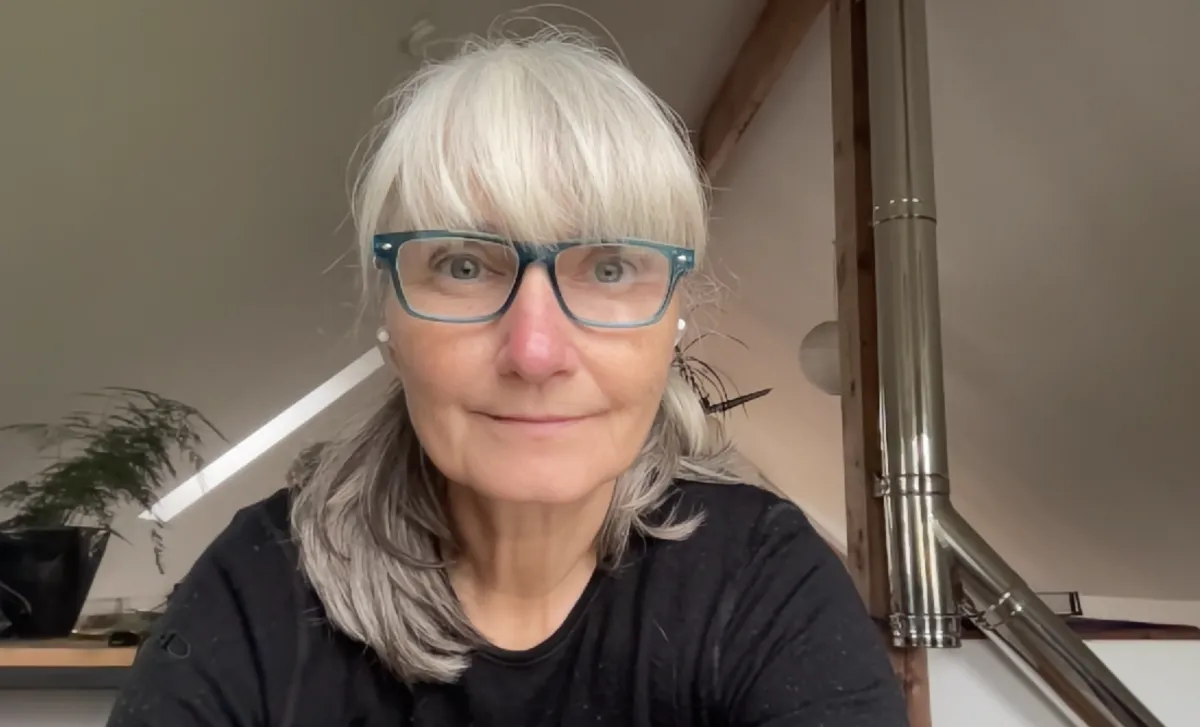
WEEKLY BLOG POSTS.
WEEKLY BLOG POSTS
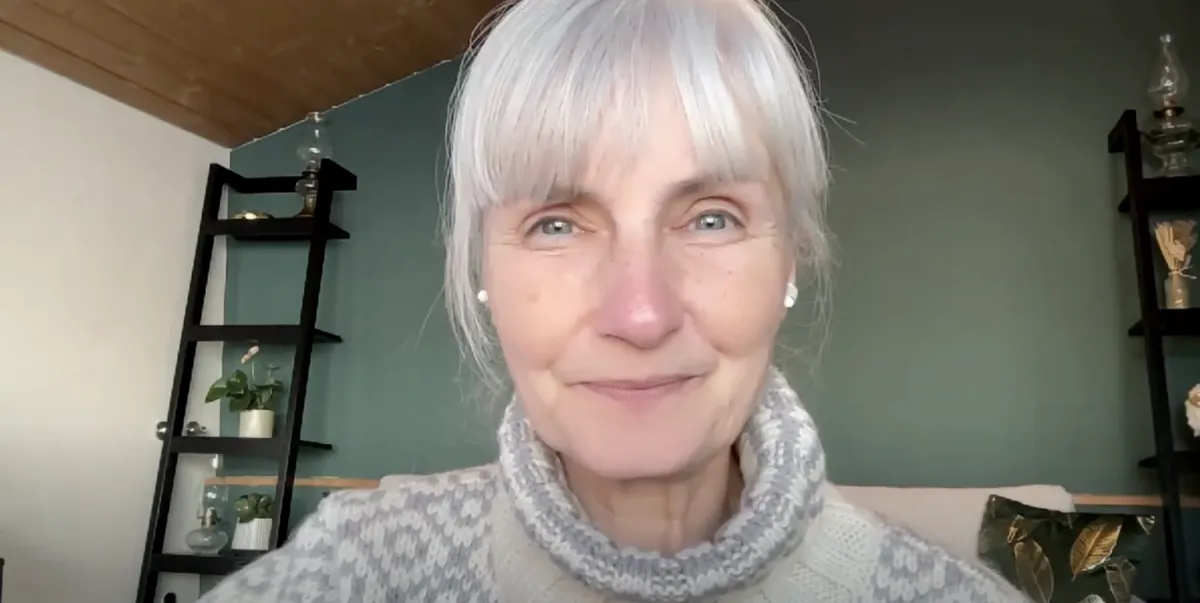
Have you ever noticed how easy it is to doubt yourself — even after everything you’ve lived through?
Letting Go of Self-Doubt in Midlife
If, like me, you’re a midlife woman who often doubts herself, second-guesses decisions, or feels like confidence has just slipped away, well, you’re not alone.
Many of us thoughtful, capable women reach this midlife stage and suddenly notice an inner voice that says:
“Who do you think you are?”
“It’s probably too late now.”
“I should be grateful, so why do I want more?”
This blog isn’t about fixing you or pushing positive thinking, believe me, I have been there! It’s about understanding why self-doubt shows up, and how to soften it in a kind, realistic way.
Why self-doubt often gets louder in midlife
I think that midlife is a natural pause point, and it’s often when:
the kids are more independent
work or caring roles shift
your body starts asking for more care and awareness
you finally get a bit of peace and quiet
And in that quiet, old beliefs can surface, and they can ruffle our feathers, but, and its a big but, our self-doubt isn’t random, because it’s often shaped by things like these:
years of putting others first ( are you a people pleaser? )
being praised for coping, not for resting ( this is so common)
growing up learning to stay small, helpful, or agreeable
Your nervous system learned these patterns to keep you safe, that means self-doubt isn’t a weakness, and we need to reframe it, change how we look at it, because it’s a strategy that once worked.
What limiting beliefs really are
A limiting belief is just a thought that feels true, but it isn’t the whole story, and maybe you can relate to some of these:
“I’m too old to change.”
“I should be further along by now.”
“Other people can do this, but not me.”
“If I slow down, everything will fall apart.”
I have come to realise with the help of studying Somatics and the work of Dr Gabor Mate ,our limiting beliefs often live in the body, not just the mind, so trying to argue with them doesn’t usually work.
Instead of asking “Is this thought true?” it can help to ask ourselves “When did I first learn this?”
We can the understand a little bit more what is going on and have more kindness towards ourselves instead of beating ourselves up and ending up in endless loops of negative thinking and numbing the issues with doom scrolling, alcohol, eating, shopping or whatever else we find we use to self soothe when we feel we aren't good enough.
Why positive thinking can feel exhausting
If you’ve ever been told:
“Just believe in yourself”
“Change your mindset”
“Think positive”,
and it left you feeling tired or irritated , well , that makes sense, because...
When the nervous system feels unsafe, forced confidence can feel like pressure!
Your body might respond with things like these:
tension ( in the jaw, shoulders, pelvic floor, hands, toes, breathing)
overthinking ( I am an overthinker..always questioning and worrying)
shutting down ( Im guilty of this, I just feel exhausted and want to hide)
or doing even more to prove yourself ( Im guilty of this too)
I have come to the conclusion that in order to really change, it will only happen when our body feels safer, as that is its first priority.
A gentler way ?
Here’s a kinder approach that i have used, and maybe it could help if my words resonate...
1. Notice the voice without judgement
Instead of pushing self-doubt away, try noticing it, acknowledge it, you could speak to is and say something like “Ah, there’s that familiar voice” or “Ah, hallo, you show up when I’m tired or overwhelmed.”
2. Check in with your body
Self-doubt often arrives with physical signals that we sometimes ignore and push down because the are inconvenient. But, these are just a few things that I have found in myself when I slow down enough to notice:
tight jaw
shallow breathing
a sad, slumped posture
Try something simple, as I found these really helped:
place a hand on your chest or belly and notice your breath without changing it
slow your exhale so it feels longer than the inhale
soften your shoulders, I have this short seated practice movement here to practice as many of us don't even realise our shoulders are up by our ears.
What benefit does this have? You’re telling your nervous system: I’m safe right now
And thats worth a huge amount because it helps us in many other ways.
3. Replace pressure with permission
Instead of worrying and asking ourselves:
“What should I do?”
Try changing the words and instead ask:
“What feels manageable today?”
“What would be kind right now?”
Why bother? I found that when I do this, those small permissions builds trust.
4. Borrow belief when yours feels low
You don’t have to fully believe in yourself ....yet!
Sometimes it’s enough to have :
curiosity
a willingness
trust in your body’s wisdom, which isn't easy but its a practice that can become a healthy habit
Why bother? Confidence often follows action — not the other way around.
You are not behind!
Midlife isn’t a deadline! Its not a race to the finish line. Midlife , well it’s often a reconnection point.
If you’re questioning things or wanting something quieter and more meaningful, that’s not failure!
That’s awareness, and that speaks volumes, because awareness is the beginning of change.
A gentle reflection
You might like to journal ( took me ages to get into a daily journalling habit) or maybe even just have a think about this:
What belief has been shaping my choices lately?
Where did I learn it?
What would it feel like to loosen it, even if it is just a little?
Just listening with no need for perfection or to rush it or even to think you should be fixing something, because you are not broken.
If my words resonate with you, know that you’re not alone, but because we feel shame, we rarely talk about these things, we keep pushing and trying to put on a brave face as if we are coping, but if we talked about things like this more we could recover, help each other and find ways to break down self imposed walls and barriers that many of us don't even realise we have built.
There are ways to feel steadier, calmer, and more trusting of yourself, especially when we work with the body, not against it.
You deserve that softness.
Mel
When you feel ready I have a 4 week free gentle Pilates mini course coming up..
We start Feb 17th, and meet for 4 Tuesdays in the morning at 10am online via Zoom. You can reserve your place here
Follow my You Tube channel for weekly lessons here
Have you ever noticed how easy it is to doubt yourself — even after everything you’ve lived through?
Letting Go of Self-Doubt in Midlife
If, like me, you’re a midlife woman who often doubts herself, second-guesses decisions, or feels like confidence has just slipped away, well, you’re not alone.
Many of us thoughtful, capable women reach this midlife stage and suddenly notice an inner voice that says:
“Who do you think you are?”
“It’s probably too late now.”
“I should be grateful, so why do I want more?”
This blog isn’t about fixing you or pushing positive thinking, believe me, I have been there! It’s about understanding why self-doubt shows up, and how to soften it in a kind, realistic way.
Why self-doubt often gets louder in midlife
I think that midlife is a natural pause point, and it’s often when:
the kids are more independent
work or caring roles shift
your body starts asking for more care and awareness
you finally get a bit of peace and quiet
And in that quiet, old beliefs can surface, and they can ruffle our feathers, but, and its a big but, our self-doubt isn’t random, because it’s often shaped by things like these:
years of putting others first ( are you a people pleaser? )
being praised for coping, not for resting ( this is so common)
growing up learning to stay small, helpful, or agreeable
Your nervous system learned these patterns to keep you safe, that means self-doubt isn’t a weakness, and we need to reframe it, change how we look at it, because it’s a strategy that once worked.
What limiting beliefs really are
A limiting belief is just a thought that feels true, but it isn’t the whole story, and maybe you can relate to some of these:
“I’m too old to change.”
“I should be further along by now.”
“Other people can do this, but not me.”
“If I slow down, everything will fall apart.”
I have come to realise with the help of studying Somatics and the work of Dr Gabor Mate ,our limiting beliefs often live in the body, not just the mind, so trying to argue with them doesn’t usually work.
Instead of asking “Is this thought true?” it can help to ask ourselves “When did I first learn this?”
We can the understand a little bit more what is going on and have more kindness towards ourselves instead of beating ourselves up and ending up in endless loops of negative thinking and numbing the issues with doom scrolling, alcohol, eating, shopping or whatever else we find we use to self soothe when we feel we aren't good enough.
Why positive thinking can feel exhausting
If you’ve ever been told:
“Just believe in yourself”
“Change your mindset”
“Think positive”,
and it left you feeling tired or irritated , well , that makes sense, because...
When the nervous system feels unsafe, forced confidence can feel like pressure!
Your body might respond with things like these:
tension ( in the jaw, shoulders, pelvic floor, hands, toes, breathing)
overthinking ( I am an overthinker..always questioning and worrying)
shutting down ( Im guilty of this, I just feel exhausted and want to hide)
or doing even more to prove yourself ( Im guilty of this too)
I have come to the conclusion that in order to really change, it will only happen when our body feels safer, as that is its first priority.
A gentler way ?
Here’s a kinder approach that i have used, and maybe it could help if my words resonate...
1. Notice the voice without judgement
Instead of pushing self-doubt away, try noticing it, acknowledge it, you could speak to is and say something like “Ah, there’s that familiar voice” or “Ah, hallo, you show up when I’m tired or overwhelmed.”
2. Check in with your body
Self-doubt often arrives with physical signals that we sometimes ignore and push down because the are inconvenient. But, these are just a few things that I have found in myself when I slow down enough to notice:
tight jaw
shallow breathing
a sad, slumped posture
Try something simple, as I found these really helped:
place a hand on your chest or belly and notice your breath without changing it
slow your exhale so it feels longer than the inhale
soften your shoulders, I have this short seated practice movement here to practice as many of us don't even realise our shoulders are up by our ears.
What benefit does this have? You’re telling your nervous system: I’m safe right now
And thats worth a huge amount because it helps us in many other ways.
3. Replace pressure with permission
Instead of worrying and asking ourselves:
“What should I do?”
Try changing the words and instead ask:
“What feels manageable today?”
“What would be kind right now?”
Why bother? I found that when I do this, those small permissions builds trust.
4. Borrow belief when yours feels low
You don’t have to fully believe in yourself ....yet!
Sometimes it’s enough to have :
curiosity
a willingness
trust in your body’s wisdom, which isn't easy but its a practice that can become a healthy habit
Why bother? Confidence often follows action — not the other way around.
You are not behind!
Midlife isn’t a deadline! Its not a race to the finish line. Midlife , well it’s often a reconnection point.
If you’re questioning things or wanting something quieter and more meaningful, that’s not failure!
That’s awareness, and that speaks volumes, because awareness is the beginning of change.
A gentle reflection
You might like to journal ( took me ages to get into a daily journalling habit) or maybe even just have a think about this:
What belief has been shaping my choices lately?
Where did I learn it?
What would it feel like to loosen it, even if it is just a little?
Just listening with no need for perfection or to rush it or even to think you should be fixing something, because you are not broken.
If my words resonate with you, know that you’re not alone, but because we feel shame, we rarely talk about these things, we keep pushing and trying to put on a brave face as if we are coping, but if we talked about things like this more we could recover, help each other and find ways to break down self imposed walls and barriers that many of us don't even realise we have built.
There are ways to feel steadier, calmer, and more trusting of yourself, especially when we work with the body, not against it.
You deserve that softness.
Mel
When you feel ready I have a 4 week free gentle Pilates mini course coming up..
We start Feb 17th, and meet for 4 Tuesdays in the morning at 10am online via Zoom. You can reserve your place here
Follow my You Tube channel for weekly lessons here