
Mindful Photography
Mindful Photography
Support for women who feel tired of holding everything together
Gentle Pilates & nervous system–led movement for women who’ve spent years doing, coping, and carrying more than their share
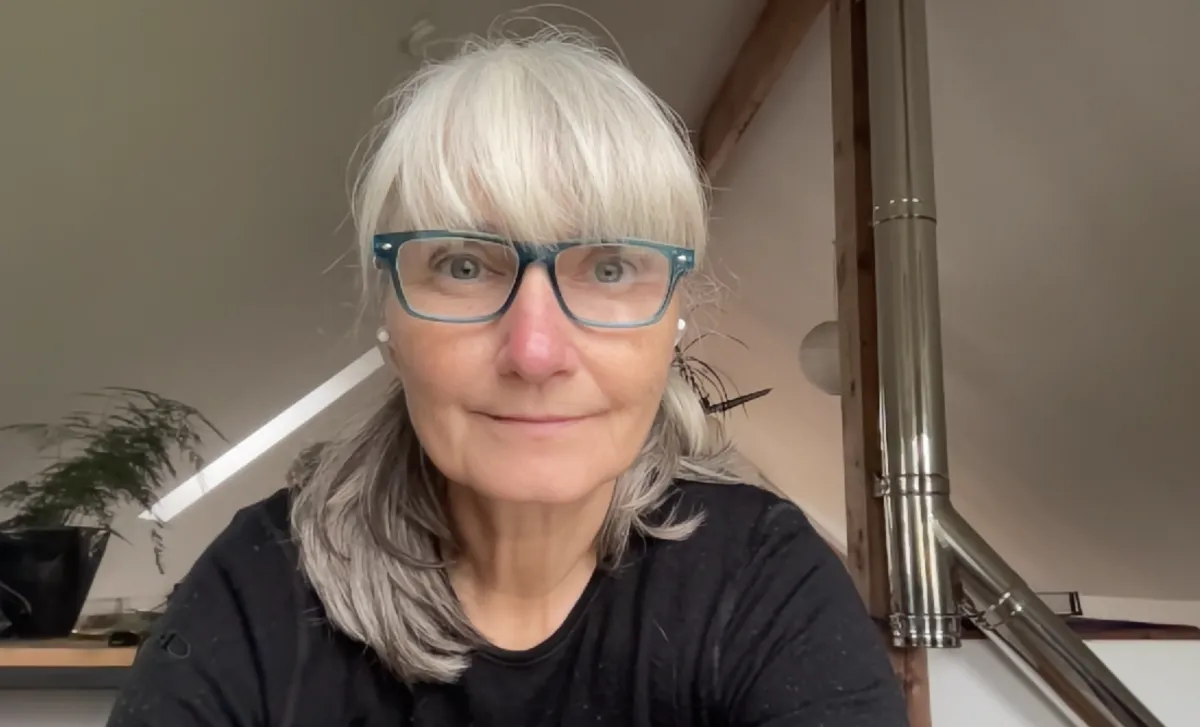
WEEKLY BLOG POSTS.
WEEKLY BLOG POSTS

Why Gentle Movement Can Feel Threatening At First
Why Gentle Movement Can Feel Threatening At First
Gentle movement can feel surprisingly uncomfortable, I dont mean physically though, I mean emotionally.
It can stir up irritation, boredom, or a quiet urge to get up and do something more productive. You might find yourself thinking, “This isn’t doing anything,” or “Surely I should be working harder than this"
I know this resistance well, because I felt it myself.
So, if you’ve ever felt that way, nothing has gone wrong, and there’s nothing wrong with you either.
When I first qualified as a Pilates teacher, I was convinced that core strength was the answer to almost everything. Stronger. More controlled. More effort. That was the way forward.
Around that time, I bought a book on Somatics and Feldenkrais. I remember flicking through them and feeling completely uninterested. The movements were slow. Subtle. Almost unimpressive. It didn’t look like Pilates, and I didn’t bother reading it properly.
I decided it was boring.
What I didn’t realise then was that my resistance had nothing to do with the movements themselves.
Slowing down was threatening.
When movement becomes gentle, there’s nowhere to hide. No effort to push through. No structure to perform.
The nervous system doesn’t get the usual signals to stay busy or alert, and that can feel unsettling, especially for women who are used to coping by staying capable, strong, and switched on.
Gentle movement asks a different question....
Instead of “Can I do this well?” it asks, “Can I feel this?”
For many women, that’s where the discomfort begins.
Not because something is wrong, but because they’ve spent years overriding sensation in order to keep going. Slowness creates space, and in that space we may notice tension, fatigue, emotion, or simply how much we’ve been holding.
Over time, my relationship with movement changed.
As I began to slow down, I started to understand my body rather than correct it.
I healed old aches not by forcing strength, but by listening. My walking changed. I felt more flexible without pushing, and the best thing of all... I moved with less effort.
But something else shifted too.
As I learned to listen to my body, I also learned to speak up for myself.
I felt more confident—not from doing more, but from trusting what I felt.
Gentle work didn’t make me weaker. It made me more at home in myself.
If gentle movement feels threatening to you, maybe you should know that:
You don’t need to like it straight away.
You don’t need to relax.
You don’t need to understand it.
Resistance, restlessness, or boredom are not signs that it isn’t working.
They’re signs that your system is encountering something unfamiliar.
You’re allowed to go slowly.
You’re allowed to choose less.
And you’re allowed to meet your body where it is, not where you think it should be.
Sometimes the most powerful movement is the one that looks like almost nothing at all.
Mel x
PS: If this resonates, I’ve created a short audio called “Lie Down and Let Your Shoulders Soften.” It’s for moments when slowing down feels needed, but not easy. You can find it here.

Why Gentle Movement Can Feel Threatening At First
Why Gentle Movement Can Feel Threatening At First
Gentle movement can feel surprisingly uncomfortable, I dont mean physically though, I mean emotionally.
It can stir up irritation, boredom, or a quiet urge to get up and do something more productive. You might find yourself thinking, “This isn’t doing anything,” or “Surely I should be working harder than this"
I know this resistance well, because I felt it myself.
So, if you’ve ever felt that way, nothing has gone wrong, and there’s nothing wrong with you either.
When I first qualified as a Pilates teacher, I was convinced that core strength was the answer to almost everything. Stronger. More controlled. More effort. That was the way forward.
Around that time, I bought a book on Somatics and Feldenkrais. I remember flicking through them and feeling completely uninterested. The movements were slow. Subtle. Almost unimpressive. It didn’t look like Pilates, and I didn’t bother reading it properly.
I decided it was boring.
What I didn’t realise then was that my resistance had nothing to do with the movements themselves.
Slowing down was threatening.
When movement becomes gentle, there’s nowhere to hide. No effort to push through. No structure to perform.
The nervous system doesn’t get the usual signals to stay busy or alert, and that can feel unsettling, especially for women who are used to coping by staying capable, strong, and switched on.
Gentle movement asks a different question....
Instead of “Can I do this well?” it asks, “Can I feel this?”
For many women, that’s where the discomfort begins.
Not because something is wrong, but because they’ve spent years overriding sensation in order to keep going. Slowness creates space, and in that space we may notice tension, fatigue, emotion, or simply how much we’ve been holding.
Over time, my relationship with movement changed.
As I began to slow down, I started to understand my body rather than correct it.
I healed old aches not by forcing strength, but by listening. My walking changed. I felt more flexible without pushing, and the best thing of all... I moved with less effort.
But something else shifted too.
As I learned to listen to my body, I also learned to speak up for myself.
I felt more confident—not from doing more, but from trusting what I felt.
Gentle work didn’t make me weaker. It made me more at home in myself.
If gentle movement feels threatening to you, maybe you should know that:
You don’t need to like it straight away.
You don’t need to relax.
You don’t need to understand it.
Resistance, restlessness, or boredom are not signs that it isn’t working.
They’re signs that your system is encountering something unfamiliar.
You’re allowed to go slowly.
You’re allowed to choose less.
And you’re allowed to meet your body where it is, not where you think it should be.
Sometimes the most powerful movement is the one that looks like almost nothing at all.
Mel x
PS: If this resonates, I’ve created a short audio called “Lie Down and Let Your Shoulders Soften.” It’s for moments when slowing down feels needed, but not easy. You can find it here.