
Mindful Photography
Mindful Photography
Support for women who feel tired of holding everything together
Gentle Pilates & nervous system–led movement for women who’ve spent years doing, coping, and carrying more than their share
WEEKLY BLOG POSTS.
WEEKLY BLOG POSTS
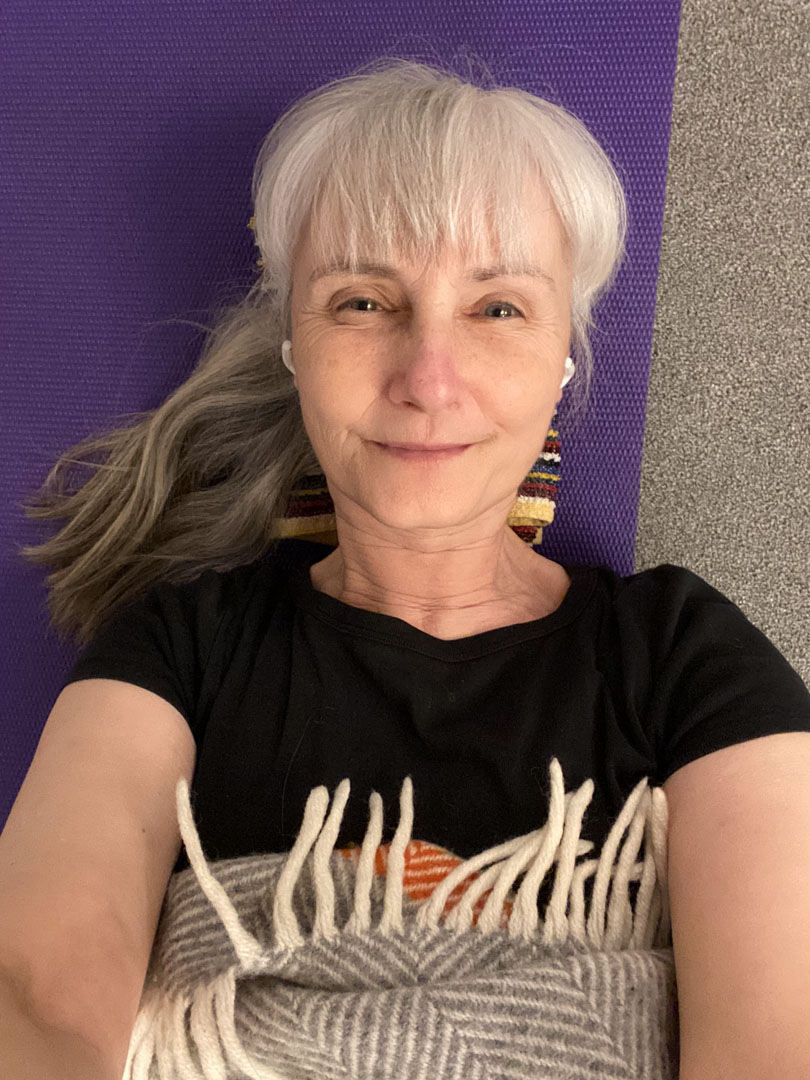
Why rest can bring guilt
Why Rest Can Bring Guilt, Even When You're Exhausted
For many women, especially midlife women (so maybe that's during or post menopause) rest doesn't arrive quietly.
It arrives with guilt
A voice that says, you should be doing something else, that rest must be earned, that slowing down is indulgent, lazy or even selfish.
If you have ever struggled to enjoy rest, even when you're body is tired, you are not alone.
And you are not failing at self-care.
Where the guilt of resting begins
For many of us, especially women who have learned early to be responsible, helpful or emotionally attuned, rest was never neutral, because we receive approval when we are being useful, being needed makes us feel safe, and being busy brings feelings of belonging.
Read that last one again, because I read it a few times to allow it to sink in and really land.
Rest though, well that can feel like we are being exposed.
So, over time, our nervous system learns this: I am safer when I am doing
So when we finally stop, the guilt isn't random, its an echo of an old rule that once helped us cope.
However, guilt is often misunderstood.
Its not proof that we are doing something wrong, its a signal that we are crossing an old boundary, an internal one.
Our body isn't objecting to rest itself, its reacting to unfamiliar territory. If we were shaped by early vigilance, like I was, always feeling on guard, alert, listening for danger signals, rest can feel like stepping outside the role that once kept us safe.
So, why does " allowing yourself to rest" not work?
How many times have you told yourself off for not resting, or maybe your partner or friends have. I know I have been told off before for not resting, for doing too much. Especially if I make myself ill.
Well, if we try to tell ourselves:
I deserve this
I should relax
Its OK to stop
Guilt doesn't respond to logic, it responds to safety. If the nervous system doesn't yet trust rest reassurance alone wont help, this is why gentler indirect approaches can be more effective.
Rest without stopping , a softer entry point
Mindful photography offers a way to experience rest without asking you to abandon doing, so that means that:
You are still engaged with the present moment
You are still being alert
You are still moving through the world
But what has changed is that the attention has shifted, not to productivity, but to noticing things like detail in the everyday ordinary things, light changes during the day, texture, colour, simplicity.
This kind of awareness gives the nervous system a break without triggering guilt or alarm.
Letting guilt loosen, slowly
As these small pauses build up, something changes. Rest becomes to feel less like a rule you are breaking, and more like a state you occasionally touch. The guilt begins to soften because your body learns it can slow down and still be safe.
If rest brings guilt, theres nothing wrong with you, your body just learned to survive in the best way it knew how.
You don't need to force rest, you don't need to fix guilt
I think we can learn to meet both gently, one small moment at a time
The body's responses make sense, and we are, most definitely, allowed to go slowly.
Mel x
If this resonates, and when you are ready, here are some ways I can help:
You are welcome to explore my free gentle 7 page guide Calm in the Frame here
Or you are invited to join my free 4 week course which begins 28th February. Reserve your place here
Dip your toe in, with my self study mini course, just 7 days of tiny pauses, here.

Why rest can bring guilt
Why Rest Can Bring Guilt, Even When You're Exhausted
For many women, especially midlife women (so maybe that's during or post menopause) rest doesn't arrive quietly.
It arrives with guilt
A voice that says, you should be doing something else, that rest must be earned, that slowing down is indulgent, lazy or even selfish.
If you have ever struggled to enjoy rest, even when you're body is tired, you are not alone.
And you are not failing at self-care.
Where the guilt of resting begins
For many of us, especially women who have learned early to be responsible, helpful or emotionally attuned, rest was never neutral, because we receive approval when we are being useful, being needed makes us feel safe, and being busy brings feelings of belonging.
Read that last one again, because I read it a few times to allow it to sink in and really land.
Rest though, well that can feel like we are being exposed.
So, over time, our nervous system learns this: I am safer when I am doing
So when we finally stop, the guilt isn't random, its an echo of an old rule that once helped us cope.
However, guilt is often misunderstood.
Its not proof that we are doing something wrong, its a signal that we are crossing an old boundary, an internal one.
Our body isn't objecting to rest itself, its reacting to unfamiliar territory. If we were shaped by early vigilance, like I was, always feeling on guard, alert, listening for danger signals, rest can feel like stepping outside the role that once kept us safe.
So, why does " allowing yourself to rest" not work?
How many times have you told yourself off for not resting, or maybe your partner or friends have. I know I have been told off before for not resting, for doing too much. Especially if I make myself ill.
Well, if we try to tell ourselves:
I deserve this
I should relax
Its OK to stop
Guilt doesn't respond to logic, it responds to safety. If the nervous system doesn't yet trust rest reassurance alone wont help, this is why gentler indirect approaches can be more effective.
Rest without stopping , a softer entry point
Mindful photography offers a way to experience rest without asking you to abandon doing, so that means that:
You are still engaged with the present moment
You are still being alert
You are still moving through the world
But what has changed is that the attention has shifted, not to productivity, but to noticing things like detail in the everyday ordinary things, light changes during the day, texture, colour, simplicity.
This kind of awareness gives the nervous system a break without triggering guilt or alarm.
Letting guilt loosen, slowly
As these small pauses build up, something changes. Rest becomes to feel less like a rule you are breaking, and more like a state you occasionally touch. The guilt begins to soften because your body learns it can slow down and still be safe.
If rest brings guilt, theres nothing wrong with you, your body just learned to survive in the best way it knew how.
You don't need to force rest, you don't need to fix guilt
I think we can learn to meet both gently, one small moment at a time
The body's responses make sense, and we are, most definitely, allowed to go slowly.
Mel x
If this resonates, and when you are ready, here are some ways I can help:
You are welcome to explore my free gentle 7 page guide Calm in the Frame here
Or you are invited to join my free 4 week course which begins 28th February. Reserve your place here
Dip your toe in, with my self study mini course, just 7 days of tiny pauses, here.